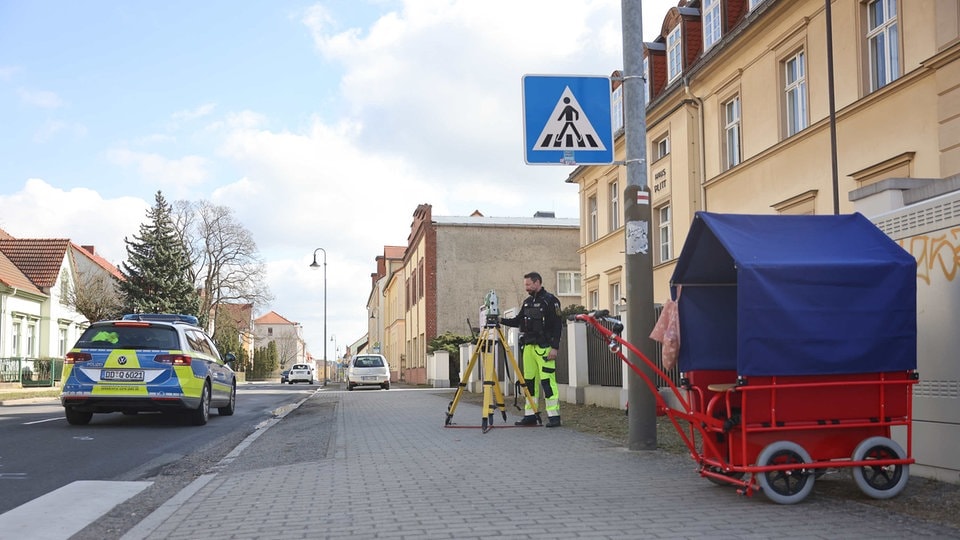
Niesky Accident: Toddler Out of Danger After Zebra Crossing Crash
In a wave of collective relief across the region, news has emerged that the one-year-old toddler severely injured in a horrific severe Niesky accident on Tuesday is now thankfully out of life-threatening danger. The incident, which saw a kindergarten group struck by a car at a zebra crossing in Niesky, sent shockwaves far beyond the local community. While the immediate crisis has averted a potential tragedy, the grave event on Bautzener Straße has ignited crucial conversations about road safety, particularly concerning vulnerable pedestrians and elderly drivers. This article delves into the details of the Niesky accident, the ensuing emergency response, ongoing investigations, and vital lessons for preventing similar incidents in the future. For many searching for updates on the Unfall Niesky Heute, this news brings a much-needed sense of hope amidst a somber context.
The Horrific Moment: Details of the Niesky Zebra Crossing Crash
The peaceful Tuesday morning of an outing for a Niesky kindergarten group turned into a scene of unimaginable chaos. As multiple caregivers guided a group of children, some nestled in "Krippenwagen" (specialized nursery strollers designed for multiple toddlers), they approached a designated zebra crossing near Plittstraße on the busy Bautzener Straße. This pedestrian crossing, intended as a safe passage, became the site of a devastating collision.
According to preliminary police reports and eyewitness accounts, the group began to cross the road. While one Krippenwagen successfully navigated the crossing, a second, carrying two one-year-old children, was tragically struck by an Opel Corsa driven by an 84-year-old woman. The force of the impact was immense, causing the Krippenwagen to overturn and ejecting the two innocent toddlers onto the asphalt. A 46-year-old male caregiver, who was accompanying the group, also sustained light injuries in the terrifying incident.
The situation escalated within seconds from a routine stroll to a severe traffic accident, prompting immediate and frantic reactions from caregivers and passersby. The children, aged just one year, lay on the road, with one little girl suffering particularly severe injuries, while her male counterpart, miraculously, appeared to escape physical harm. The sheer speed at which the incident unfolded underscores the critical importance of vigilance from all road users, especially at pedestrian crossings.
Immediate Aftermath and Comprehensive Emergency Response
The swift and professional response from emergency services and immediate first aid providers was critical in the wake of the Niesky accident. As soon as the collision occurred, caregivers and quick-thinking bystanders rushed to assist the injured children and the caregiver. Parallel to these heroic initial actions, emergency services were rapidly alerted, leading to a large-scale deployment of paramedics, police, and a rescue helicopter.
The scene on Bautzener Straße was quickly secured to allow for the urgent medical treatment of the injured. The severely injured one-year-old girl required immediate specialized care and was airlifted by rescue helicopter to a nearby clinic, a testament to the severity of her condition at the time. The male toddler, though physically unharmed, undoubtedly experienced immense shock and trauma. The injured caregiver was also transported to a hospital for further treatment of his light injuries. In addition to medical aid, a crisis intervention team was dispatched to the scene, providing crucial psychological support to the traumatized children, caregivers, and other individuals directly affected by the accident.
The community's concern was palpable, with many anxiously awaiting news on the condition of the injured child. The subsequent announcement that the little girl is now out of life danger has brought a collective sigh of relief, offering a glimmer of hope for her continued recovery. This coordinated emergency response highlights the dedication of those who serve on the front lines, acting decisively in moments of crisis.
Ongoing Investigation and Legal Implications
The Niesky accident has triggered a thorough and complex investigation by local authorities and the Traffic Accident Service. The primary objective is to meticulously reconstruct the events leading up to the collision, identify the precise cause, and determine whether any traffic regulations were violated. Police confirmed that an 84-year-old woman was at the wheel of the Opel Corsa involved in the crash, which occurred while she was travelling from See towards Zinzendorfplatz.
Initial reports indicate that the driver may have failed to notice the kindergarten group on the zebra crossing in time. This critical lapse in observation is now a central focus of the investigation. Authorities are scrutinising all available evidence, including witness statements, accident scene analysis, and potentially vehicle data. An expert has been called in to examine the accident site in detail, providing technical insights into factors such as visibility, braking distances, and vehicle speed.
The legal ramifications of the incident are also significant. Police have opened proceedings, which could include charges related to dangerous bodily harm, depending on the findings of the investigation. This severe potential charge underscores the serious nature of failing to yield to pedestrians at a designated crossing, particularly when vulnerable groups like children are involved. The estimated material damage to the vehicle and Krippenwagen is around 1000 Euros, but the human cost and the trauma inflicted are immeasurable.
Saxony's Minister of Education (Kultusminister), Conrad Clemens, also publicly addressed the incident, emphasizing the community's shock and concern. Such high-level attention highlights the broader societal impact of the crash and the imperative to learn from it to prevent future occurrences. For more details on the ongoing police investigation into the elderly driver, you can refer to our previous report: Niesky Crash: Police Probe Elderly Driver After Krippenwagen Incident.
Preventing Future Tragedies: Road Safety Insights and Tips
The Niesky accident serves as a stark reminder of the fragile nature of road safety and the collective responsibility shared by all road users. While the immediate focus is on the recovery of the injured toddler and the ongoing investigation, this incident provides a critical opportunity to re-evaluate and reinforce best practices for preventing similar tragedies.
For Drivers: Heightened Awareness and Responsibility
- Yield at Crossings: It is a legal and moral obligation to stop for pedestrians at zebra crossings. Always assume someone might step onto the crossing, especially in urban areas or near schools and parks.
- Reduce Speed: Lowering your speed gives you more time to react to unexpected situations, particularly in residential areas or near pedestrian zones.
- Eliminate Distractions: Put away phones, avoid eating, and focus entirely on the road. A moment's distraction can have devastating consequences.
- Check Blind Spots: Be especially aware of smaller vehicles like Krippenwagen or individual children who might be harder to see.
- Be Mindful of Vulnerable Groups: Children, the elderly, and individuals with disabilities may move slower or be less predictable. Exercise extra caution around them.
For Pedestrians and Caregivers: Proactive Safety Measures
- Make Eye Contact: Before stepping onto a crossing, try to make eye contact with approaching drivers to ensure they have seen you.
- Wear Bright Colours: Especially in low light conditions, reflective clothing significantly increases visibility.
- Teach Road Safety: For children old enough to understand, educate them about looking both ways, waiting for a clear path, and never running into the street.
- Group Management: When crossing with a group of children, ensure there are sufficient adult supervisors to manage the group, with adults positioned at the front, middle, and back of the line. Consider using flags or vests for increased visibility for the entire group.
- Use Safe Equipment: Ensure Krippenwagen and strollers are well-maintained, visible (perhaps with flags), and used according to safety guidelines.
For Municipalities and Urban Planners: Infrastructure Improvements
- Clear Sightlines: Ensure vegetation or parked cars do not obstruct visibility at pedestrian crossings.
- Well-Marked Crossings: Regular maintenance of road markings and signage is essential for clear communication to drivers and pedestrians.
- Traffic Calming Measures: Speed bumps, narrower lanes, or raised crossings can encourage drivers to reduce speed in areas with high pedestrian traffic.
The estimated 1000 Euro damage from the accident pales in comparison to the emotional and physical toll it has taken. Investing in education, awareness, and infrastructure is not merely a cost but an investment in community safety and preventing immeasurable suffering.
Conclusion
The Niesky accident at the zebra crossing, though terrifying in its unfolding, has fortunately seen a positive turn with the injured toddler now out of life-threatening danger. This incident on Bautzener Straße serves as a profound and urgent reminder of the critical importance of road safety for everyone. While the investigations into the exact cause of this Unfall Niesky Heute continue, the community's focus must remain on supporting the recovery of those affected and implementing robust measures to prevent future occurrences. Drivers must exercise unwavering vigilance, especially at pedestrian crossings, and pedestrians, particularly those guiding vulnerable groups, should remain proactive in ensuring their safety. By collectively committing to safer road practices and advocating for improved infrastructure, we can work towards a future where tragic accidents like this become a distant memory, ensuring that our streets are safe spaces for all, especially our children.